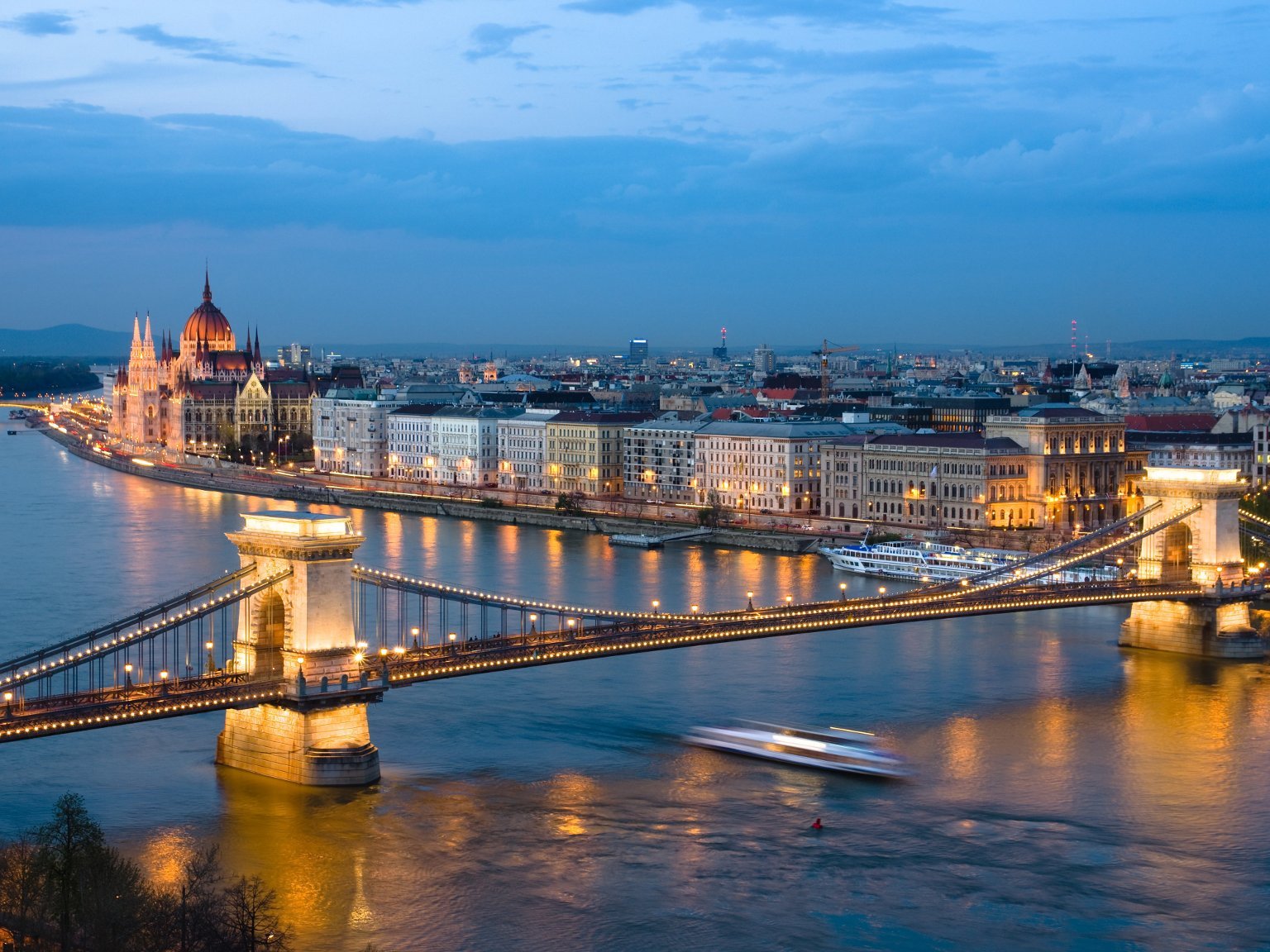
Many have heard of the Széchenyi or Gellért baths, believe me, "Thermal Budapest" does not only consist of these two baths!
Do you want to plunge into the waters of hot springs where the ancient Romans took baths thousands of years ago? Then go to Óbuda, in the former Roman Aquincum, to the Roman Baths (Római Strandfürdő), on the territory of which traces of buildings and water pipes of the Romans have been preserved.
Or maybe you would be interested in visiting the Lukács Baths? After all, the spring that feeds this bath with healing water was known back in the Middle Ages, and it was here that the knights of the Order of St. János founded a monastery and a hospital in the 13th century. By the way, this is one of the most favorite baths of local residents, so your place is there, if you want to avoid the hype and the crowds.
What would you say if Budapest "invited" you to a Turkish bath? There are several in the city! King Bath (Király Fürdő) - one of the oldest, with an unusually rich history, was built during the Turkish invasion inside the walls of the Buda Castle. The Turks loved to spend time in the baths so much that they built it with the intention of using the bath during the defense, but since there was no natural source on the territory of the fortress, they built a water pipe and brought water from Lukács.
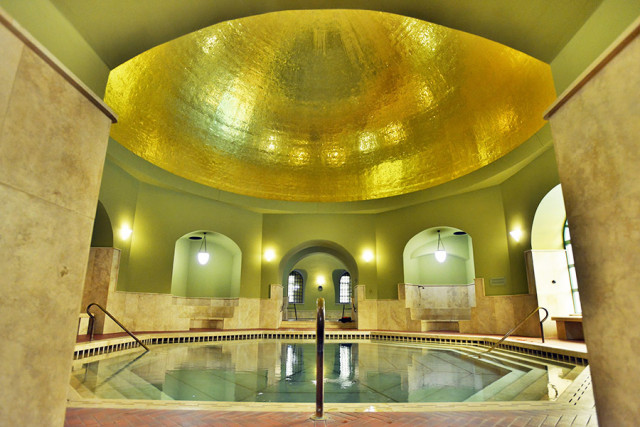
Another gem in Budapest's jewelry box is the Turkish Veli Bej Bath. It is rightfully considered the most beautiful Turkish bath in the city and is located on the territory of the Hospital of the Order of Mercy.
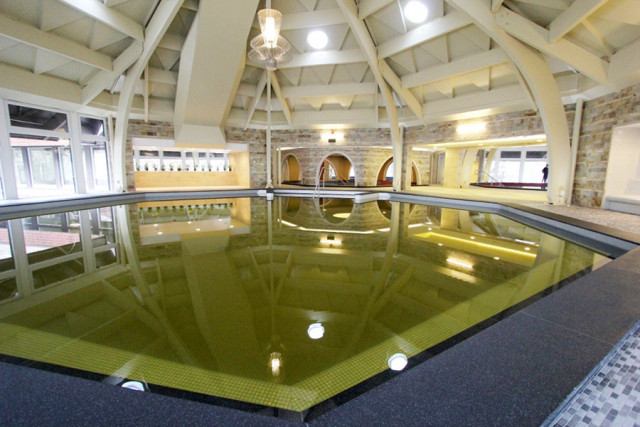
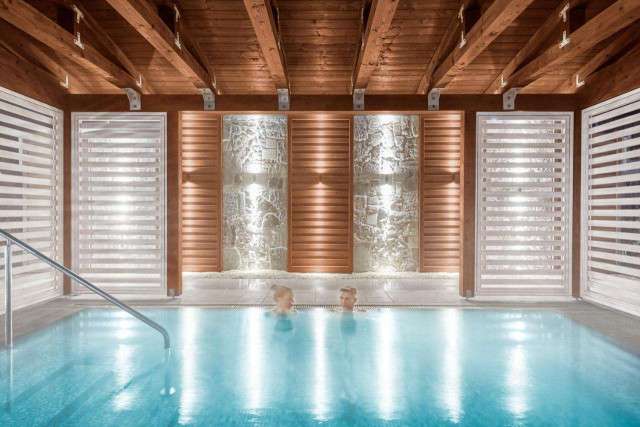
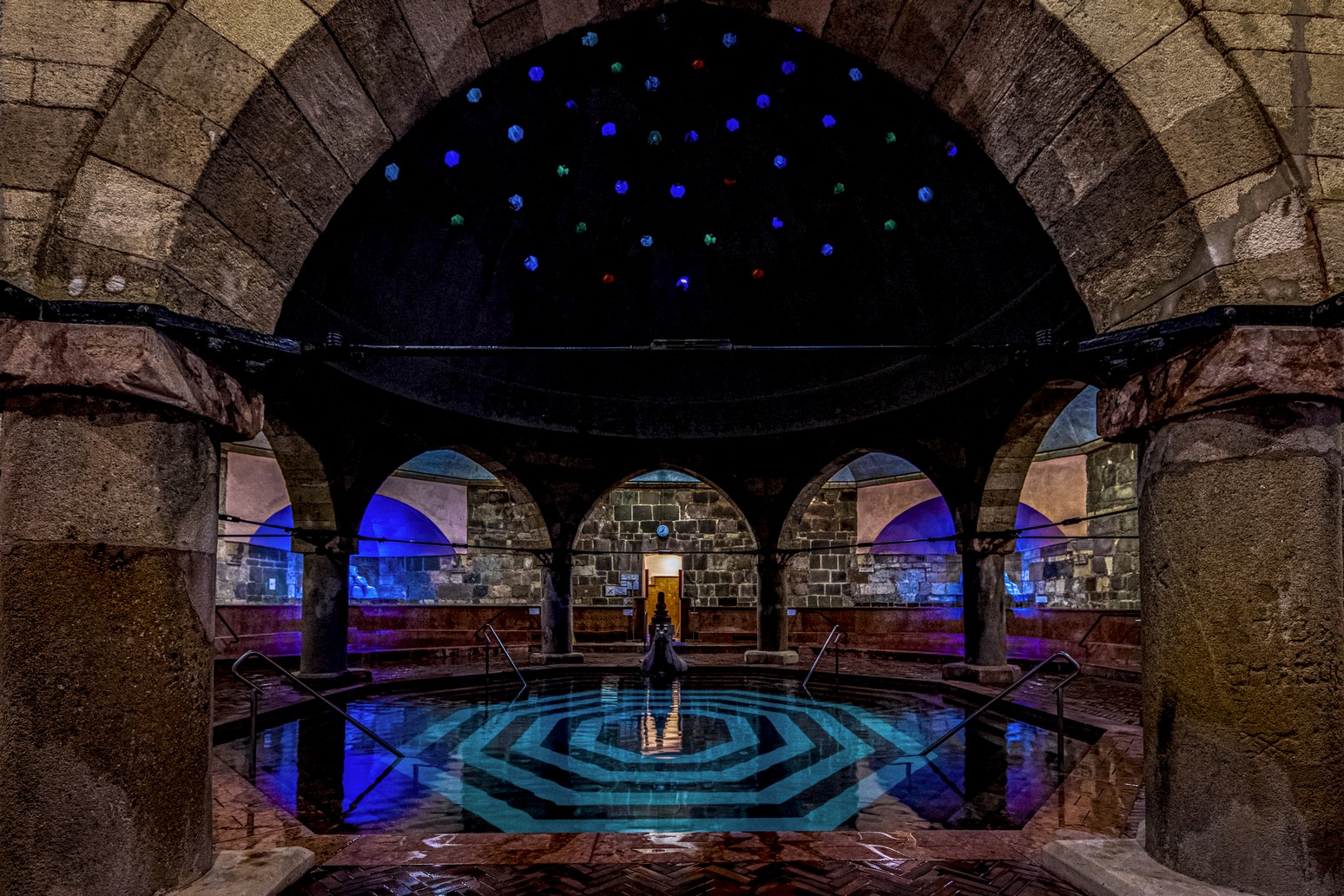
Are there night swimmers among you? Then you belong in Rudas (Rudas Furdő). In "peacetime" on Fridays and Saturdays, you can swim there until 2 am. The bath is more than 450 years old, and in addition to thermal pools with medicinal water and an authentic Turkish bath, over which there is a dome with many holes (through which stars peer at night), the complex has a modern spa with a glass roof. The spa offers a breathtaking panorama of the Danube and the city. This bath is also interesting because it still has a women's day (Tuesday), when only women can visit it. Weekdays are men's days, and a joint visit is possible on weekends, and during night swimming.
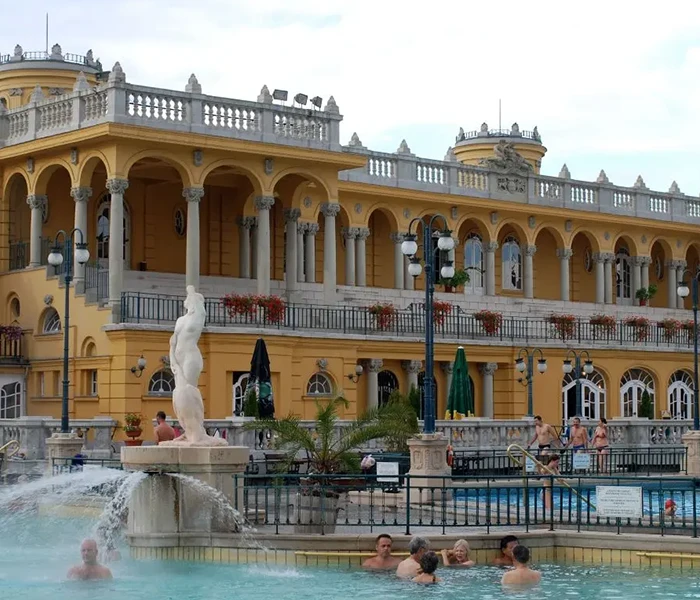
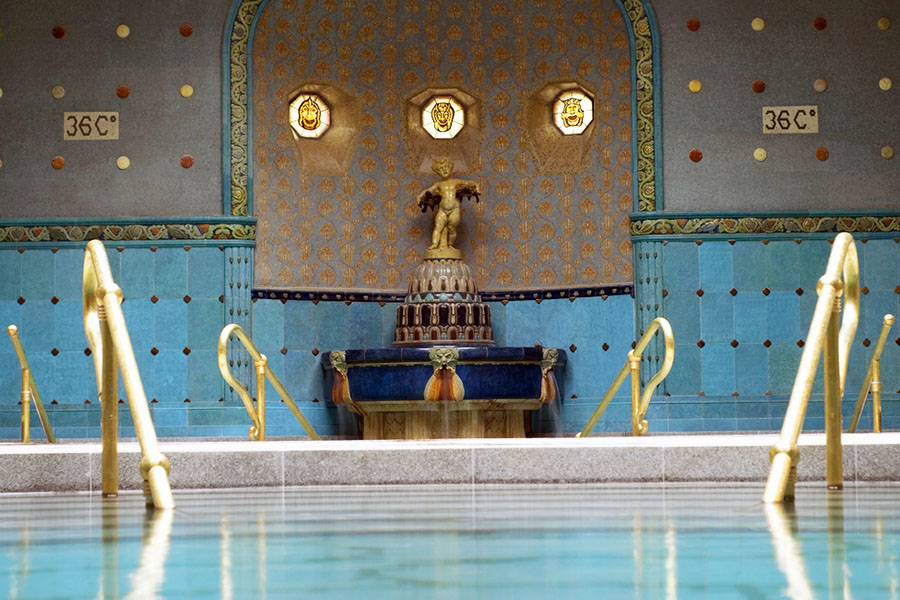
And if you are a travel lover, having thoroughly visited all the places according to the tourist catalog, and aiming to tick off each attraction, then the unique and pompous Gellért Fürdő and Széchenyi Fürdő are waiting for you!